
How Three Tamil Films Are Redefining Masculinity
Modha Rathri, Dorothy and Baththa swap dominance for empathy, asking whether men can unlearn the masculinity Tamil cinema long celebrated.
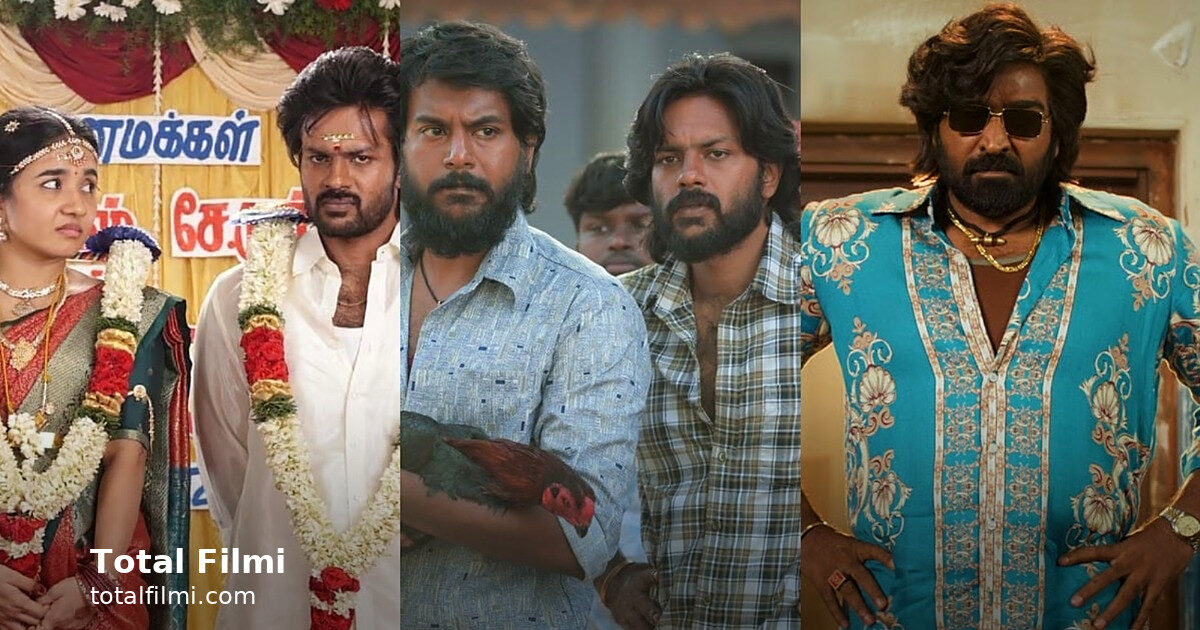
Three recent Tamil releases — Modha Rathri, Dorothy and Baththa — are doing something quietly radical. Instead of asking whether a hero can win a fight, they ask whether he can listen, unlearn and change. For Hindi film fans who love the southern industries, this is a conversation worth tracking.
Three films, one shared question
Raja Karuppaswamy’s Modha Rathri, Karthik Subbaraj’s Dorothy and Balaji Tharaneetharan’s Baththa are very different in story and tone. But all three treat masculinity as something shaped by power and social conditioning — and, crucially, as something changeable through empathy.
- Modha Rathri follows Marudhu, a groom who learns on his wedding night that his bride loves someone else — and chooses understanding over entitlement.
- Dorothy is a queer romantic drama in which a man slowly moves from rejection to acceptance after his childhood friend comes out as a trans woman.
- Baththa stars Vijay Sethupathi as a feared gangster whose armour begins to crack because of an eight-year-old boy.
The point is not that these men are flawless. It is that the films stay with them after their flaws are exposed.
The strength is in the listening
In Modha Rathri, Rishikanth’s Marudhu is pushed into an arranged marriage with Muthuselvi, played by Anishma Anilkumar. When she tells him the truth, he briefly loses his calm — and then he listens. He does not play the wounded hero or assert a husband’s “right.” He helps her reach the man she loves. That turns a conventional wedding-night conflict into an unexpectedly empathetic relationship.
Dorothy goes further by linking masculinity to caste and patriarchy. When Subbu comes out to her best friend Karthi, his first reaction is disgust. The film does not rush his change. It gives him room to sit with discomfort, confront what he has been conditioned to believe, and slowly accept Subbu for who she is.
Then there is Baththa. Vijay Sethupathi plays a gangster feared by everyone, but the person who strips away that fear is not a bigger gangster — it is Sabari, an eight-year-old boy. His innocence becomes a mirror, and Baththa begins to see the gap between the violent man he built and the person he could become.
Why this matters beyond Tamil cinema
These films refuse the easy framing where men are either villains or victims. They insist that empathy does not mean excusing harm. It means asking why the harm happened and whether change is possible. That is a sharper, more useful conversation than a moral lecture — and it arrives at a moment when audiences across Indian cinema are hungry for male characters with interiority.
For Total Filmi readers who follow both Hindi and southern cinema, the takeaway is practical: watch these films for how they stage change, not just for the performances. Notice how each transformation is earned through a conversation, not a fight.
What to watch next
If you want to see how a hero can be strong without dominating, these three titles are a good starting point. Look for them in theatres or on streaming platforms when they become available.
- Do watch for the small moments — the pause before anger, the choice to listen.
- Don’t expect a lecture; these films show rather than preach.
- Don’t mistake empathy for absolution; every character still owns his choices.
Source: India Today


Comments आपकी राय