
Angh: Theja Rio’s Nagaland Drama Asks What Progress Costs
Theja Rio's Angh follows a Nagaland chief resisting change as his family needs a future. A quiet look at language, culture and the price of opportunity.
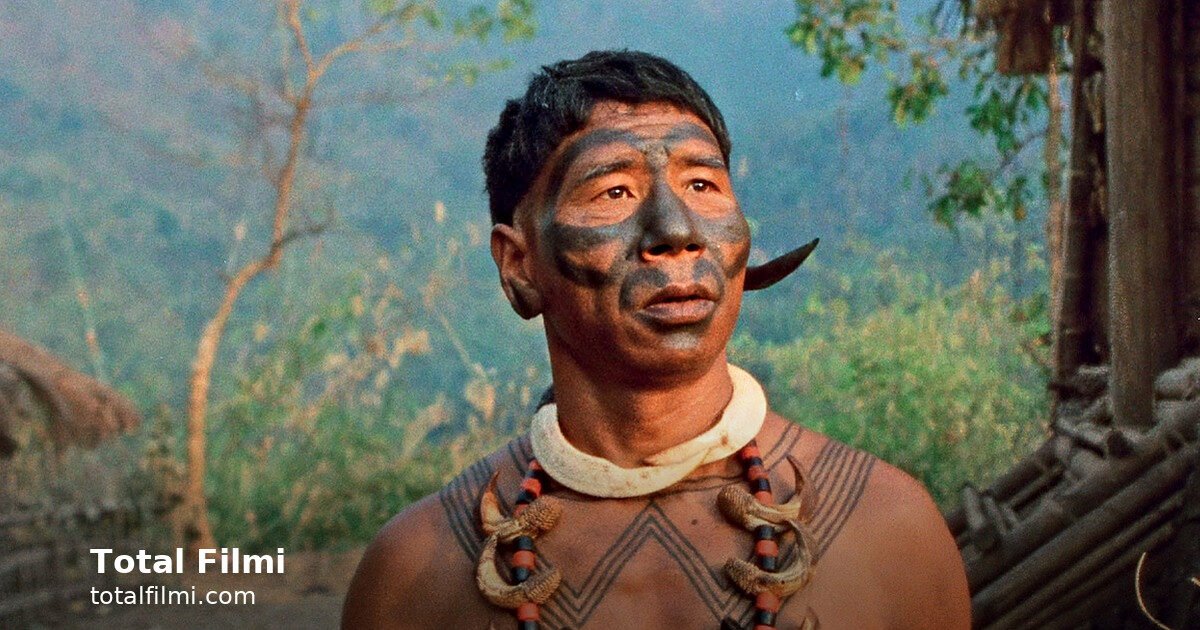
Theja Rio’s Angh sets its conflict in a single Nagaland village in the early 1960s, but the question it raises is much larger: what does a community give up when opportunity arrives?
A chief caught between two worlds
Anghba (Anghlong Konyak), the village chief, is holding on. American Baptist missionaries are bringing Christianity and new ideas to the region, and he sees his people’s language, customs and rituals at risk. His wife, Anghya (Amah Konyak), is seriously ill, which makes the outside world’s promise of better medical care harder to refuse. Their son, Amao (Sobino Rengma), is curious about life beyond the village, not out of rebellion but out of youthful openness.
Rio refuses to make anyone a villain. Anghba’s fear is real; so is the family’s need for a future.
A small scene with a big wound
The film’s most devastating moment is not a confrontation but a sentence. A child barely ten years old tells Anghba that his teacher scolds him for speaking anything other than English. In that exchange, language becomes more than words. It is how a child links to family, memory and inherited knowledge. When a child is taught to be ashamed of that link, the effect reaches far beyond school.
This is why the choice to make the film in an indigenous language matters, and why the presence of mostly local, non-actor performers gives the story an unforced authenticity.
How the craft deepens the unease
Shot on 16mm, Angh gives the forests and faces a tactile quality. The landscape is not scenery; it is part of how the characters understand home. Sagar Desai’s score, which brings cello into conversation with tribal sounds, adds to the sense of two emotional worlds sitting side by side.
The performances carry the same tension. Anghlong Konyak gives Anghba a quiet resolve; Sobino Rengma keeps Amao’s curiosity believable without turning him into a one-note symbol of change.
What to expect as a viewer
This is a patient film, and it asks the same of its audience. Some stretches feel slower than they need to, and a few moments could land with more force. But the restraint is also the point: Angh lets its questions settle instead of pushing every conflict into a dramatic stand-off.
- Written and directed by Theja Rio
- Set in early-1960s Nagaland during cultural and religious change
- Led by Anghlong Konyak, Amah Konyak and Sobino Rengma
- Shot on 16mm with a Sagar Desai score
For Hindi film fans who keep an eye on Indian cinema beyond Mumbai, Angh is a welcome counterweight to spectacle. It respects its audience enough to sit with a hard question instead of simplifying it: should a better life ever require leaving behind the language, customs and knowledge that made a family who they are?
Source: India Today


Comments आपकी राय