
Sandeep Reddy Vanga: tragedy deserves empathy, not opportunism
Sandeep Reddy Vanga responds as critics link Animal and Dhurandhar to the Andhra school chainsaw attack. His message: empathy, not opportunism.
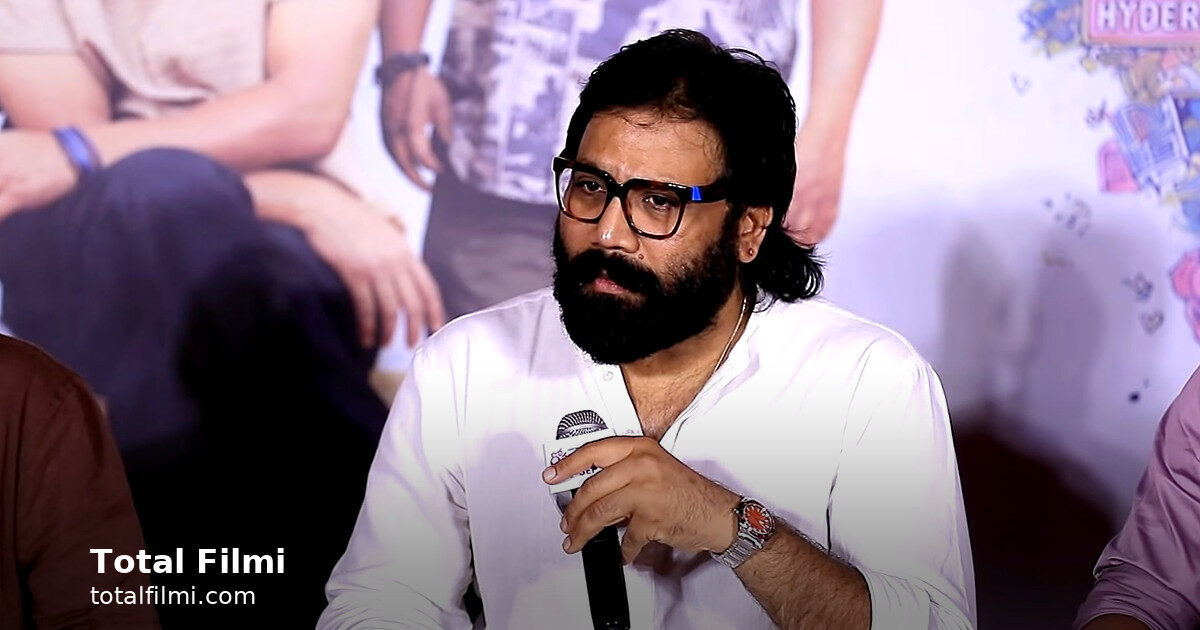
A horrific school attack in Andhra Pradesh has become the latest flashpoint in the debate over cinematic violence and its influence on real life. After YouTuber Dhruv Rathee and other critics linked films like Animal and Dhurandhar to the crime, director Sandeep Reddy Vanga pushed back with a clear message: a tragedy deserves empathy, not opportunism.
What happened in Anantapur
On October 31, 2026, a 21-year-old man entered a classroom at Zilla Parishad High School in Raptadu, Anantapur district. He attacked a Class 10 student named Gopika with a mechanised chainsaw after she rejected his advances. She suffered severe injuries to her neck and abdomen, and her right hand was nearly severed. Another student was injured while trying to protect her.
The attack triggered outrage and renewed concern about violence against women and girls.
Rathee’s jab and Vanga’s response
Dhruv Rathee shared a report on the attack and took a swipe at the films, writing that movies like Animal and Dhurandhar were “giving templates to these criminals.” The post divided social media. Some users agreed that violent films normalise extreme behaviour; others said fiction cannot be blamed so directly for a real crime.
Without naming Rathee, Vanga said the immediate response to such a crime should be empathy and an attempt to understand the larger problem, rather than finding a “convenient scapegoat in cinema.” He added that some people were using the incident as an excuse to settle personal scores, and that their concern was not for the victim but for a chance to target someone else’s work. He also accused industry colleagues of turning themselves into social reformers when it suits them.
Vanga concluded: “A tragedy deserved empathy, not opportunism.”
Why this matters for film fans
This exchange is part of a long-running argument: do violent films desensitise audiences, or merely reflect the world? The answer is rarely simple. But Vanga’s point is useful for anyone following the news cycle. Before jumping to blame a film, it is worth examining what actually failed around the victim: school safety, the accused’s motive, and the response after the attack.
For Hindi film fans, the debate also affects how stories are told. If every real-world tragedy becomes a reason to attack a film, makers may become cautious precisely when cinema should be asking uncomfortable questions.
This is not the first time Animal has faced such criticism. Rathee had earlier published videos explaining why he found aspects of it and Dhurandhar problematic. This latest episode moves that criticism from film analysis into a real-life context.
What to watch next
- Keep the victim’s safety and the criminal investigation at the centre of the discussion.
- Expect the film-violence debate to grow as more public voices react to Animal and Dhurandhar.
- Watch whether this criticism changes how Vanga or other filmmakers talk about their own work.
Source: India Today

Comments आपकी राय