
Javed Akhtar’s take on Ramayana music: Ram is a way of life
Javed Akhtar hasn't watched Ramayana: Rise of a Legend, but his cheeky take on its music and his reading of Ram as a way of life are making fans listen.
Javed Akhtar has not watched Nitesh Tiwari’s Ramayana: Rise of a Legend yet, but he has clear thoughts on the discourse around it. At the Mumbai launch of the Indian Performing Right Society’s music creator report, the 81-year-old lyricist and screenwriter admitted he had not seen the epic, while his daughter, filmmaker Zoya Akhtar, had. Her praise, he joked, is rare enough to count.
Zoya’s approval, with a wink
Akhtar told PTI that Zoya rarely hands out compliments, and he is still waiting for one himself. He said she has been praising the film, which he found notable because “she praises things with great difficulty.” The quip carried a typically Akhtar blend of affection and self-deprecation.
The cheeky reply about the music
When the conversation moved to why his song “Pal Pal Hai Bhaari” from Ashutosh Gowariker’s 2004 film Swades still moves audiences while Ramayana’s music has drawn a cooler response, Akhtar did not reach for modesty. “The simple explanation is that I’m a good writer,” he said, pointing to the line “Mann se Ravan jo nikale, Ram uske Mann main hai” as one that touches people.
Ram as an ideal, not just a person
Akhtar explained what he believes gives Ram lasting relevance. “Ram is not just a person; Ram is an ideal, a morality, Ram is a way of living,” he said. Even when the figure is personified, he argued, Ram is greater than the individual—a certain aesthetic and morality that can touch anyone. He said the essence of Ram belongs to every Indian, irrespective of religion, even if the view may make some people angry.
The formula problem in Hindi cinema
Akhtar then moved to a different creative concern: the industry’s habit of avoiding literary source material. He said adaptations like Devdas and Saheb Biwi Aur Ghulam remain exceptions, while most Hindi films stay generic because they are built to please everyone.
- Films try to connect with audiences in Gujarat, Punjab, Karnataka and UP.
- The result is fewer literary adaptations and more familiar, broad formulas.
- Ramayana itself is planned as a two-part epic, with the second instalment set for Diwali 2028.
Why it matters
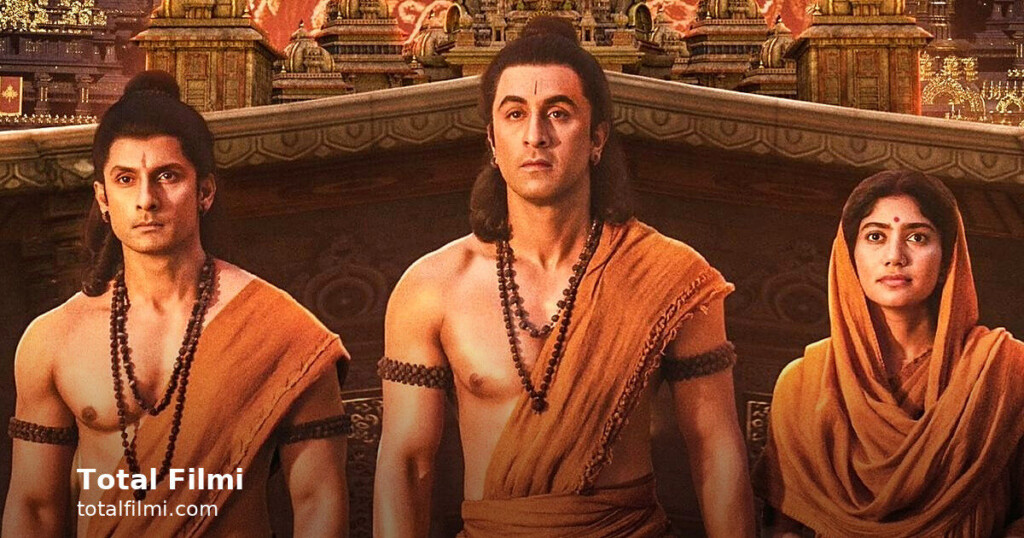
The exchange lands at an interesting moment. Ramayana: Rise of a Legend is one of Hindi cinema’s biggest modern adaptations—directed by Nitesh Tiwari and backed by Namit Malhotra, with Ranbir Kapoor as Lord Rama, Sai Pallavi as Sita and Yash as Ravana. Ravi Dubey, Sunny Deol and Arun Govil also star. A debate over its music is therefore not just about a soundtrack; it is about whether a film built at this scale can carry a moral and emotional core that feels personal.
For audiences, Akhtar’s point is a useful lens: the lines that stay with us often come from a clear thought, not from the size of the production. That may be why a track from Swades is still quoted in conversations about Ramayana in 2026.
Source: India Today

Comments आपकी राय