
Manoj Bajpayee says Hindi film industry unity is a myth
Manoj Bajpayee unpacks why Bollywood lacks real brotherhood, from crisis-time silence to the wide indie-mainstream divide, as Last Man In Tower streams on Zee5.
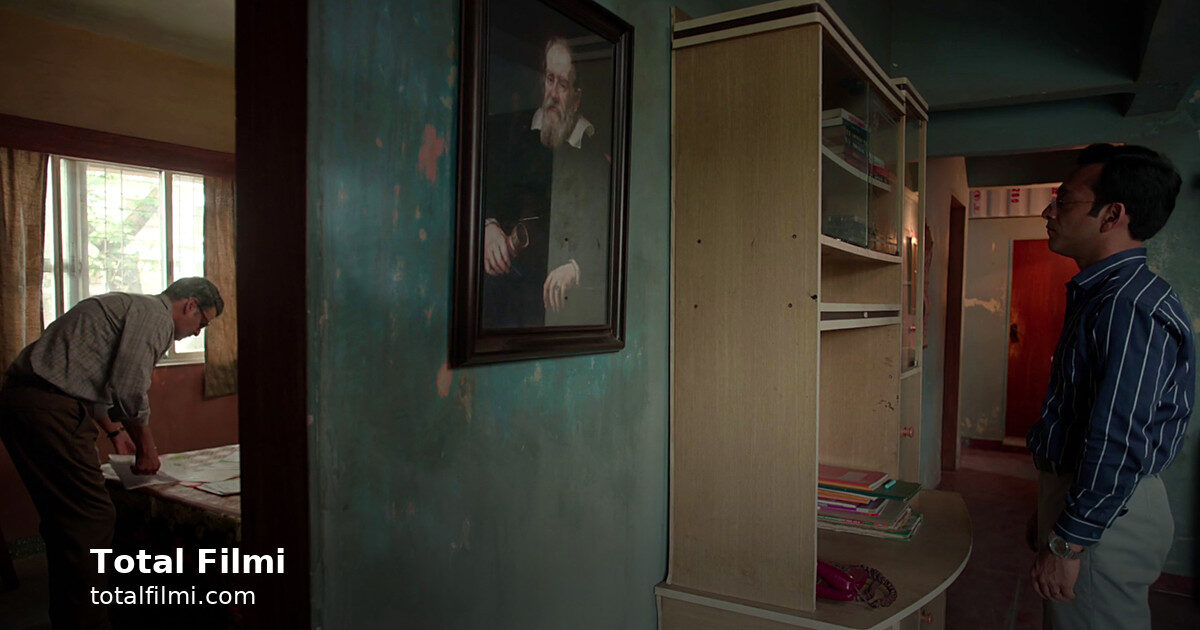
Manoj Bajpayee has never been one to soften a hard truth. In a new conversation with HT City, he uses Last Man In Tower — currently streaming on Zee5 — as a mirror for an industry he says has forgotten how to stand together.
A building feud that sounds like Bollywood
In the film, Bajpayee plays a man who refuses to agree to his Mumbai building’s redevelopment, and watches neighbours turn against him. He told HT City that the selfishness on screen is exactly how people often behave in real life. People are cordial only while they want the same thing, he explained, and the moment a disagreement appears the fights get ugly.
When asked whether the movie fraternity works the same way, he did not hesitate. “When somebody is in trouble, nobody raises a voice, nobody wishes anybody,” he said. He traced that coldness back to the 1960s and said the industry has been fragmenting slowly since then.
Fraternity, without an address
Bajpayee’s larger point is that Bollywood feels like a collection of offices, audition spots and workshops rather than a community. He said there is no emotional or professional sense of brotherhood. Production houses look out for themselves, and outsiders are often viewed with suspicion, doubt or as rivals.
The indie-mainstream wall
He also took aim at the dismissive attitude mainstream Bollywood has towards independent cinema. Independent filmmakers, he said, are sometimes not even considered filmmakers by the mainstream, and many are scoffed at. On the other side, indie makers can be equally unwelcoming.
Here is how he framed the standoff:
- Mainstream view: independent films are too indulgent.
- Indie view: mainstream films are too commercial.
- Result: a gap that has always existed but is now quite wide.
The outcome, he suggests, is that both worlds lose out because there is no meeting ground.
Why it matters for fans
Fans see the glamour, trailers and music launches; Bajpayee is describing the quieter reality behind them — an industry where solidarity is scarce and actors, filmmakers and producers mostly travel in small circles. That matters because collaboration, not fragmentation, is what made Hindi cinema’s great ensemble years work.
It also gives Last Man In Tower an extra layer. The film released in September 2026 and is now on Zee5, so viewers can see the real-world distrust he is talking about play out in a single building.
What changes if the fraternity returns?
Bajpayee is not offering a quick fix, but his comments point to a simple test: when a film struggles, a colleague is attacked or an artist faces a rough patch, does anyone call? For him, that silence is the real plot, and it repeats more often than any screen drama.
His own film gives the theme a local, domestic scale, which may be why the comparison lands. A Mumbai housing society and a film industry both run on relationships, co-operation and reputation. When those break, the results look the same: people choose self-interest and let the loudest disagreement define the room.
Source: The Times of India



Comments आपकी राय