
Nana Patekar gave up a Rs 1.5 crore car for farmers
The late actor farmed 27 acres near Pune, sold his harvest for farmers, and scrapped a Rs 1.5 crore luxury car plan into the NAAM Foundation.
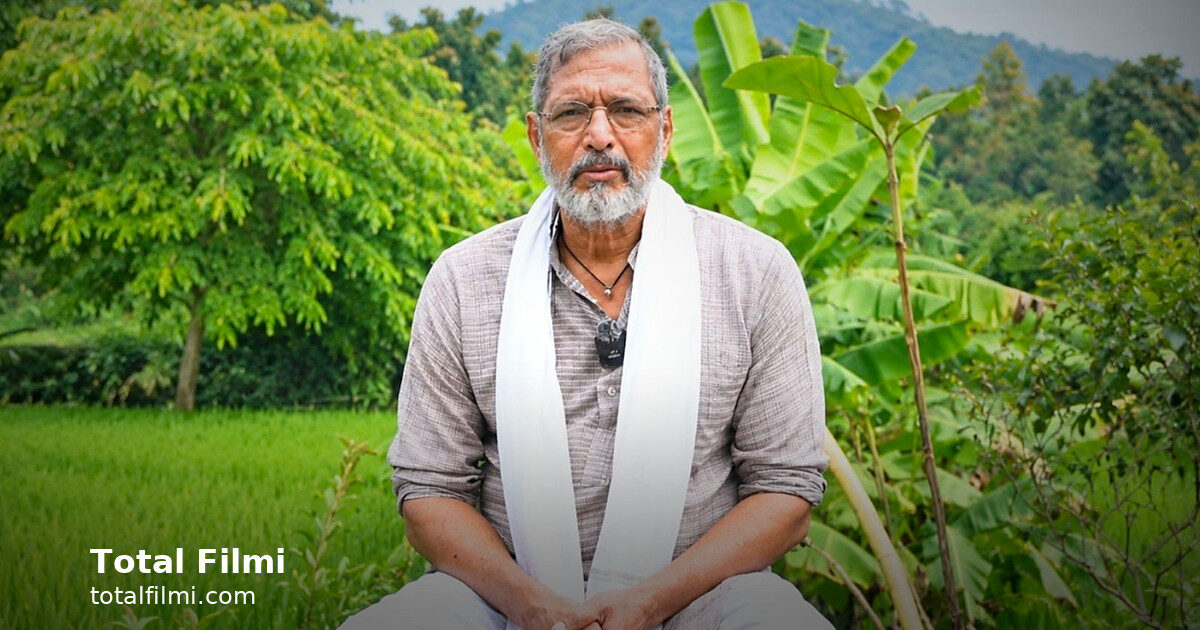
Nana Patekar, who died at 75 on Thursday after severe chest pain at his Goa flat, left behind two lives. One was the actor who could command a frame with unbroken intensity. The other was a working farmer who preferred the quiet of a Pune farmhouse to the glare of the film industry.
The farmhouse, near Khadakwasla, covered 27 acres. Patekar grew rice, wheat, chickpeas, onions, garlic and vegetables. He did not just own the land; he worked it. In interviews he described himself as a farmer at heart and spoke about choosing village calm over Mumbai’s crowds and traffic.
A quieter kind of stardom
Born Vishwanath Patekar in Murud-Janjira, Maharashtra, in 1951, Nana grew up with financial struggle. He studied at the Sir JJ Institute of Applied Art, worked in an advertising agency, and entered theatre before cinema. The hardship from his early years never left him, and it gave the anger and pain in his screen roles an unusual familiarity.
During the Covid-19 lockdown, he stayed at the farm with his dogs, cows and bullocks. While the industry paused, he seemed to carry on with a routine that had little to do with stardom.
A Rs 1.5 crore car plan, scrapped for farmers
In 2015, according to India Today’s reporting, Patekar was watching television coverage of farmer suicides and drought in Maharashtra. He and a friend had saved money to buy a luxury car worth Rs 1.5 crore. Moved by what he saw, he dropped the plan and redirected the money towards farmers.
That impulse later became the NAAM Foundation, which Patekar co-founded with actor Makarand Anaspure. The foundation helped families affected by farmer suicides and supported water conservation and livelihood work.
Service, harvest and a simple kitchen
Patekar’s own farm followed the same spirit. His farm produce was sold, and the proceeds were distributed among farmers rather than kept as personal income. Some widows were given sewing machines and other means of livelihood.
- 27-acre farm near Khadakwasla grew rice, wheat, chickpeas, onions, garlic and vegetables
- Proceeds from farm produce were distributed among farmers
- Widows in distress were supported with sewing machines and livelihood help
- He cooked for friends using vegetables from his own land
Paresh Rawal, in an interview with The Lallantop, recalled that Nana would assign guests chores while he cooked for them. It was a deliberately ordinary pleasure for a man whose work made him extraordinary.
What fans can take away
For Hindi film lovers, Nana Patekar is a reminder that a performer does not have to live as a celebrity. His connection to soil and farmers made his off-screen life feel more durable than any film release. It also made philanthropy personal: he did not just lend his name, he redirected his own savings and his own harvest.
If his story lingers, the best tribute may be to support small, verified groups working on farmer welfare and water conservation, the same causes he channelled through NAAM Foundation. That is a role anyone can play.
Source: India Today

Comments आपकी राय