
Vetri Maaran picks story over lip-sync: why can’t fans get both?
At IFP Festival Season 16, Vetri Maaran told his team he chooses story over lip-sync. We unpack why that false choice matters for Tamil cinema.
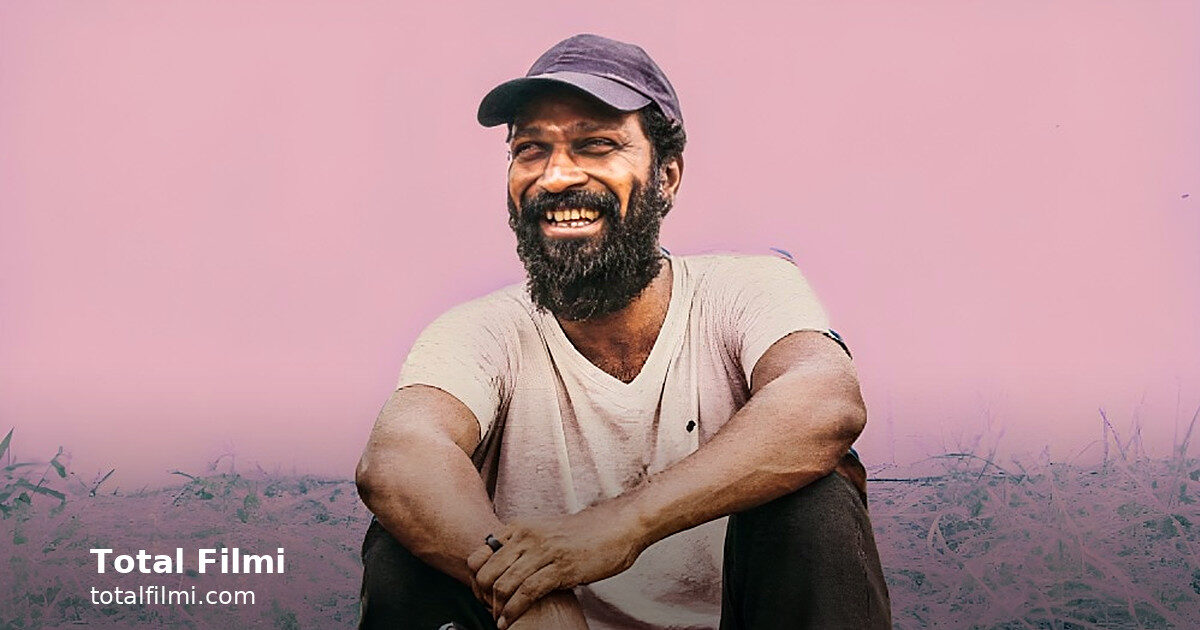
A quip that reopened an old debate
At IFP Festival Season 16 on October 24, an audience member put a familiar criticism to Vetri Maaran: the dialogue in his films does not always match the dubbed audio, a complaint that has trailed Asuran and Viduthalai. Speaking at a masterclass titled Making of a Modern Auteur, the National Award-winning director turned to his team instead of the questioner.
“Do you want sync or story? I choose story,” he said. The line drew laughs, but it left the audience question unanswered.
Why realism makes the mismatch louder
Vetri Maaran’s reputation rests on grounded, lived-in storytelling. Aadukalam, Visaranai, Asuran and Vada Chennai have turned caste, power and marginalised lives into raw, character-driven cinema. That is exactly why a lip-sync slip is hard to ignore: when a filmmaker works hard to make a world believable, a voice that does not match the face breaks the spell.
Audiences are not asking him to trade story for sync. They are asking why a director celebrated for texture and detail treats one layer of that texture as an afterthought.
Viduthalai’s numbers tell a bigger story
The craft conversation is not only about dubbing. Vetri Maaran’s own production history invites questions about planning. In a 2023 Film Companion Director’s Roundtable, he described how quickly Viduthalai unravelled from its original plan:
- Planned budget: around Rs 4.5 crore and a 35-day schedule
- Final shape: a two-part project, with Part 1 alone reportedly costing about Rs 60 crore
- Early shoot: only 10 per cent of the film was completed in the first 20 days, by which time roughly 70 per cent of the budget had been spent
- Part 2 climax: around 100 days were spent chasing natural mist before the team switched to CGI
None of this diminishes the ambition behind Viduthalai. But when a production grows this far beyond its original scope, it is fair to ask whether the same rigour applied to the frame should also apply to sound and schedule.
Story and craft are not rivals
Vetri Maaran also admitted he does not follow a fixed process and sometimes keeps editing films after release. Flexibility can be a strength; Viduthalai shows how quickly instinct can also become delay. The finished film still has to work for the audience.
A question about lip-sync is not an attack on his storytelling. It is a question about the finished product. Story and craft are pillars, not competing priorities—and a filmmaker of his standing should not ask fans to choose one. Next time, the better answer may be to show that both can be delivered.
Source: India Today
Comments आपकी राय