
Drishyam: The Conclusion gives Vijay his first true rival
Jaideep Ahlawat's Crime Branch SP finally makes Ajay Devgn's Vijay Salgaonkar look beatable in Drishyam: The Conclusion, even if the screenplay underuses him.
A different kind of threat
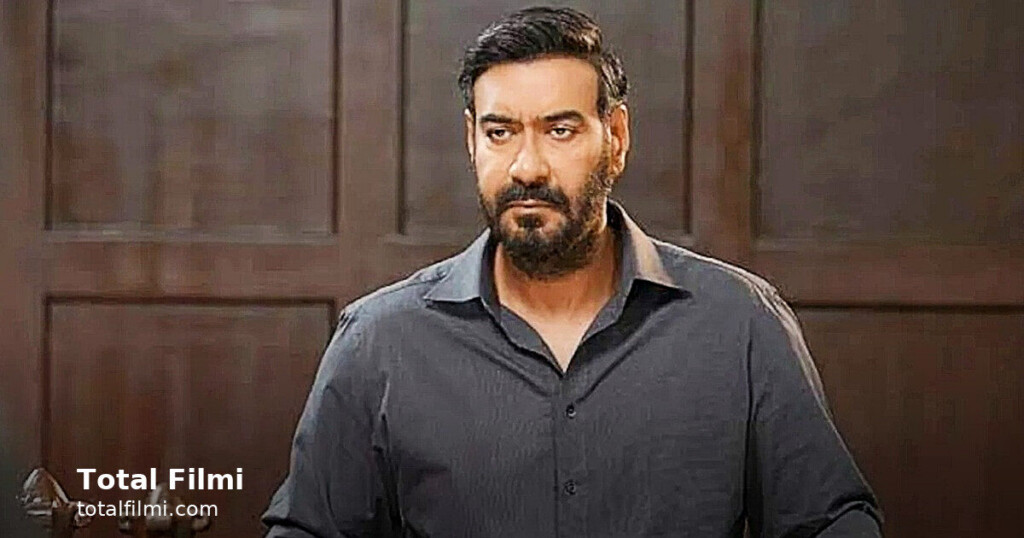
For two films, Vijay Salgaonkar stayed ahead because the men chasing him underestimated a cable operator. Drishyam: The Conclusion changes that. Jaideep Ahlawat joins the final chapter as Crime Branch SP Rajveer Singh Tomar, and from his first frame he makes Vijay look smaller than he has ever looked before.
The franchise works as a battle of anticipation. Vijay never wins by muscle or money; he wins by constructing a believable version of events and making everyone else live inside it. The film itself says the hero only needs to seem real. Rajveer is the first investigator who understands that and decides to beat Vijay by thinking like Vijay.
This final chapter carries extra weight because the original cause of the crime has been buried under years of investigations and cover-ups. The chain began with Meera Deshmukh’s son Sameer; by the time Rajveer arrives, his motivation is not personal revenge but institutional embarrassment. That makes him an antagonist without becoming a caricature.
The actor who balances the scale
Ahlawat’s physical presence does a lot of work before he speaks. Ajay Devgn rarely seems small next to his adversaries, but Ahlawat occupies the frame differently. More than size, it is his stillness that makes Rajveer menacing. He watches, pauses and processes, and the dialogue that defines him is about seeing a cigarette not as a habit but as evidence for DNA traces.
Devgn and Ahlawat turn their scenes into a contest of restraint. One man hides information; the other looks for what is being hidden. Ahlawat replaced Akshaye Khanna, but he does not imitate that Drishyam 2 performance. He brings an open confidence and a sense that he genuinely enjoys the intellectual duel.
- He is the first rival who refuses to underestimate Vijay.
- He treats ordinary objects as potential evidence rather than details to ignore.
- His calm physicality makes Vijay’s control feel uncertain for the first time.
That uncertainty is the film’s biggest dramatic gift. For the first time, audiences are seriously asked to believe Vijay might not have an answer.
For Drishyam loyalists, this is a different kind of tension. The earlier films relied on the pleasure of watching Vijay outsmart everyone. Here, Ahlawat plants the fear that the system might finally catch up with him. That makes the film feel like a proper final chapter, even when the screenplay stumbles.
Where the final act fumbles
The problem is the second half. After building Rajveer as the strongest opponent Vijay has faced, the screenplay pulls him away from the central hunt. He is given meetings and other responsibilities that may be realistic but dilute the battle the first half promised. The pre-interval confrontation works because Rajveer is not a caricature of a cop; he simply wants to close a case that has haunted the Goa Police for nearly a decade.
Still, Ahlawat’s impact is hard to ignore. He does not have to defeat Vijay to balance the scale; he just has to make us believe Vijay could lose. In a franchise built around one man’s genius, that is its own victory.
Source: India Today

Comments आपकी राय