
CBFC replaces 1991 film rules after 35 years
New certification guidelines replace the 1991 framework with tighter rules on drugs, sexual violence, titles and U/A age ratings for Indian films.
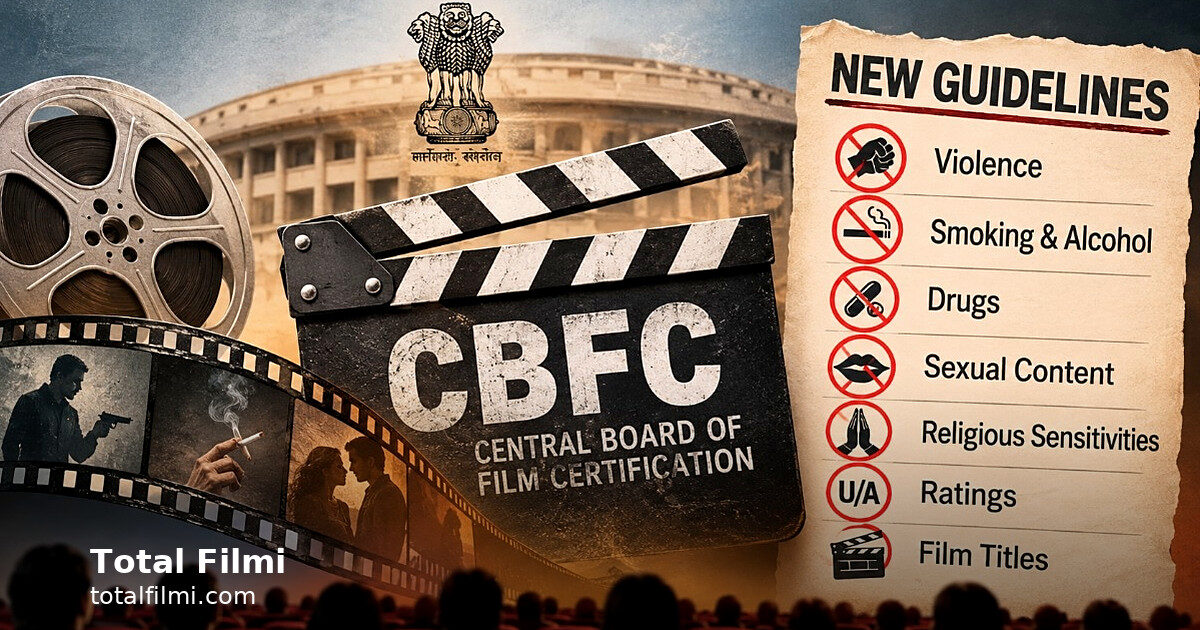
The Central Board of Film Certification has retired the rulebook it has followed since December 1991. A revised notification from the Ministry of Information and Broadcasting brings those certification rules into a single updated framework for Indian films.
A 35-year-old rulebook gets replaced
This is not a wholesale reinvention, but it is the first structural refresh in 35 years. The ministry says certification should protect creative freedom and artistic expression while staying sensitive to social values. Its stated goals include encouraging films of artistic merit, responding to social change and delivering what it calls clean and healthy entertainment.
What comes under sharper scrutiny
The biggest practical changes sit in a few areas.
- Drugs: Any film showing consumption, use or trafficking of narcotic drugs must carry a specific statutory warning: “Illicit Narcotics Destroy Health and Guarantees Imprisonment. Say No to Drugs.”
- Sexual violence: Rape, attempted rape and molestation should be avoided; if the story genuinely demands one, it must stay minimal and avoid graphic detail.
- Violence: Films should not glorify crime or anti-social acts, teach methods, or include cruelty and horror purely for shock value.
- Vulnerable people: No needless scenes of children in violence or abuse, no cruelty to animals, no ridicule of disability, and no degrading depiction of women.
- Smoking and drinking: These cannot be glamorised, justified or encouraged.
The distinction matters for filmmakers: showing a difficult subject is not forbidden. Presenting it in a way that celebrates or promotes it is what the Board has been asked to stop.
Age ratings and the whole-film test
The U/A 7+, U/A 13+ and U/A 16+ classifications remain in place, giving parents a guide to suitability. An unrestricted U certificate means a film should work for the entire family, children included, while adult and specialised audience certifications continue for material that needs them.
Perhaps the most important instruction is to judge a film in its entirety, in the context of the period it depicts and the standards of the people represented. That should give historical dramas and tough social stories room to be read as complete narratives rather than as isolated moments.
Titles, religion and state interests
Scrutiny now extends to a film’s title, which the guidelines say should not be provocative, vulgar or offensive. Content that shows contempt for religious or racial groups, encourages communal or anti-scientific attitudes, or questions sovereignty and national security is also restricted. The use of national emblems must follow the Emblems and Names (Prevention of Improper Use) Act, 1950.
What it means for Indian cinema
For audiences, the clearer warnings around drug stories and the continued U/A bands should make guidance more consistent. For filmmakers, the sensible preparation is to tie every difficult scene to narrative purpose, use the statutory drug warning where required, and avoid provocative titles. The real story will be implementation: phrases like “essential to the story” and “minimum” will only mean as much as examiners make them mean.
Source: India Today



Comments आपकी राय