
Mangal Rang: Ramayana’s Wedding Song Sparks a Qawwali Row
Listeners compare the Ramayana wedding track to Kun Faya Kun and Enna Solla Pogirai and ask if its Sufi-inflected sound fits the epic.
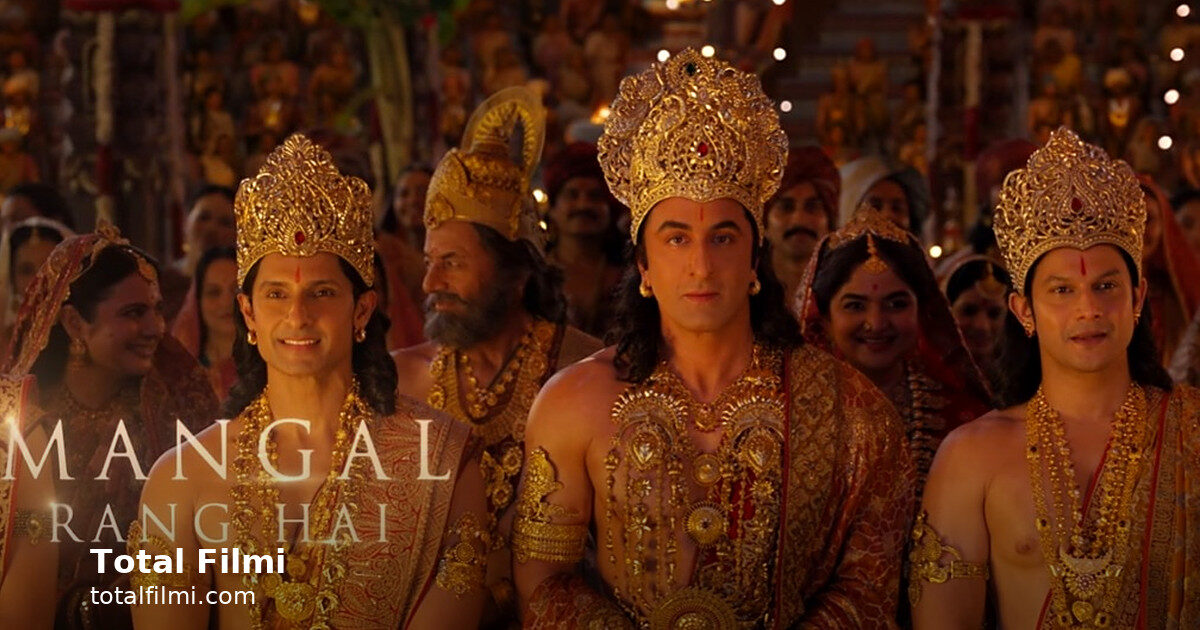
A wedding song becomes a flashpoint
Mangal Rang was supposed to score one of the most tender moments in Nitesh Tiwari’s Ramayana: the wedding of Ram and Sita. Instead, the track has become the centre of a heated online debate within hours of surfacing. Composed, produced and arranged by AR Rahman, with vocals by Arijit Singh and Shreya Ghoshal and lyrics by Kumar Vishwas, the song features Ranbir Kapoor as Ram and Sai Pallavi as Sita. What was meant to be celebratory is now being argued over as a question of musical and cultural fit.
What listeners are hearing
The central complaint is not about melody or voices; it is about idiom. Many listeners describe Mangal Rang as “qawwali-coded” and point to the chorus, the repeated “rang” metaphor, and a guitar line they say evokes a bulbul tarang. Others hear strong similarities to Rahman’s own Sufi-flavoured Kun Faya Kun from Rockstar (2011), which also starred Ranbir Kapoor, and to Enna Solla Pogirai from Kandukondain Kandukondain (2000).
Some posts have gone beyond music criticism, accusing Rahman of deliberately bringing an “Islamification” into the songs of epics. That is a loaded claim, and it has pulled the conversation away from craft. Other listeners have stayed on craft, saying an epic rooted in Sanskrit deserved more veena, sitar, mridangam and tabla, and lyrics less casual than phrases such as “tu tera mera”.
Why this goes beyond one song
Ramayana is one of the most anticipated Indian films, and its music is being heard as a promise about the film’s treatment. Rahman has always built fusion into his scores, and this is not the first time he has faced heat for a period project; the same criticism followed his work on Chhaava. Some fans have even named Ajay-Atul or Shankar-Ehsaan-Loy as alternatives. The reaction to Mangal Rang shows how strongly audiences tie instrumentation, language and musical tradition to the world an epic sets up.
What to do while the debate runs hot
- Listen to the full track before judging a short viral clip.
- Keep the critique on musical arrangement rather than personal or communal attacks.
- Wait for the film’s wedding sequence on November 5 to see how the song works visually.
Ramayana: The Rise of Legend is set to hit theatres on November 5, 2026. A song can sound one way out of context and completely different inside a scene. Mangal Rang’s real test is not an X timeline; it is whether the track earns the moment when Ram and Sita’s wedding plays out on screen. That is the only review that will stick.
Source: India Today
Comments आपकी राय