
Frame Review: An Artist’s Choices, and the Suffering They Frame
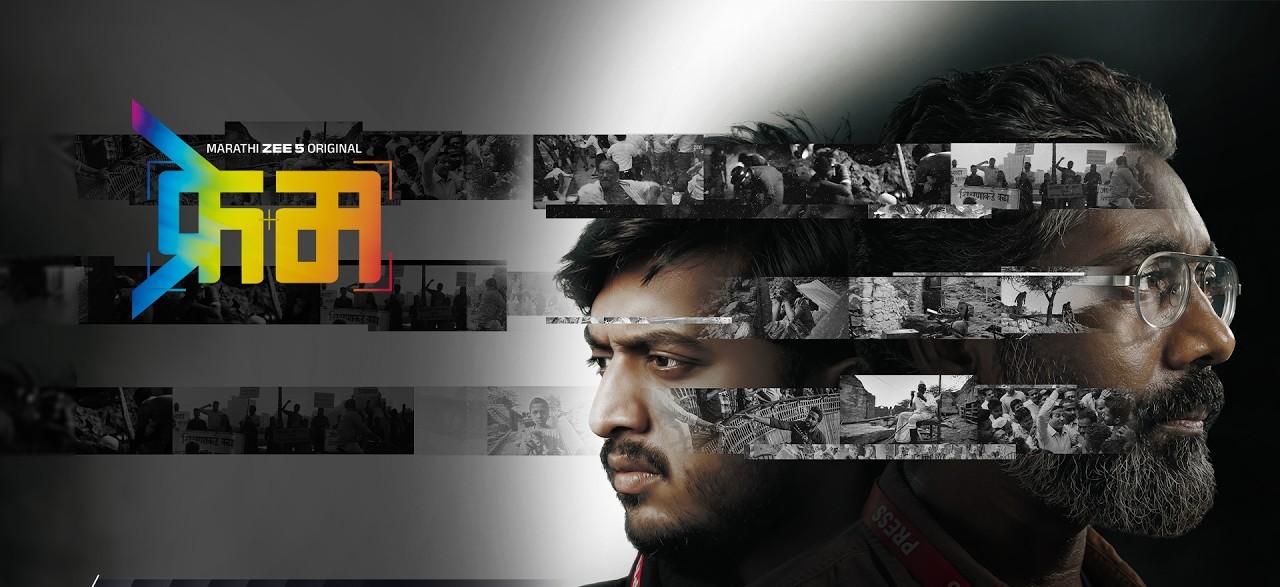
Movie Rating: 3.5/5 Stars
Movie Review:
There is a grey line between being a good photographer and being a good human being, and Frame spends its entire runtime standing on it. Vikram Patwardhan’s debut kept asking me which side I would pick if the test arrived right in front of my eyes, camera in hand, seconds to decide. I have my answer now. I would choose to be a good human, because being that kind of photographer is not my cup of tea. That the film made me sit with this question so seriously is its biggest achievement.
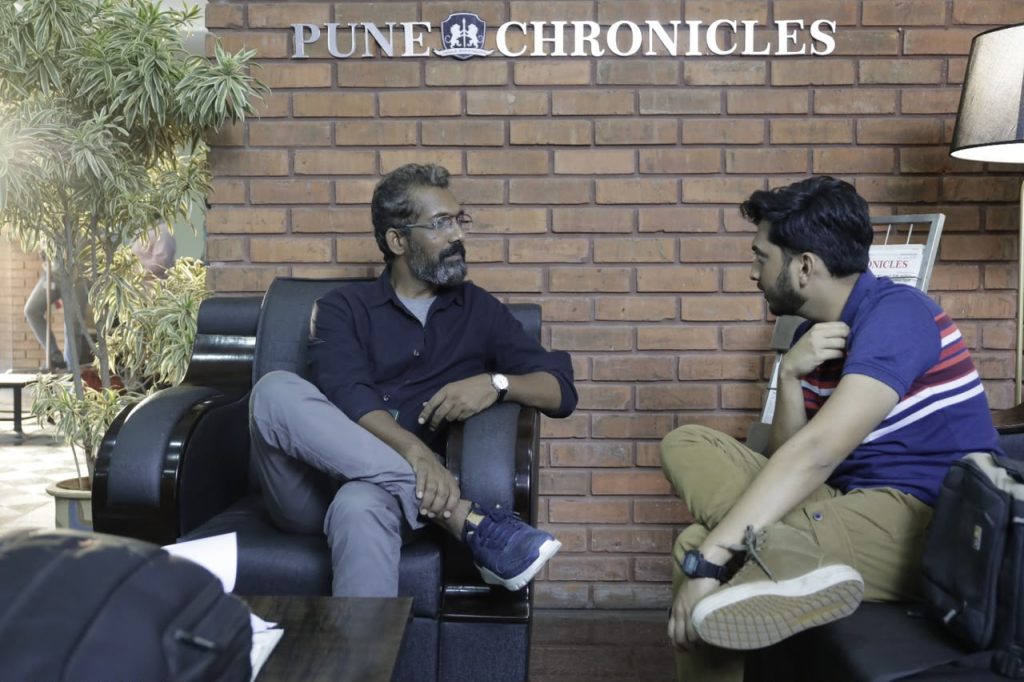
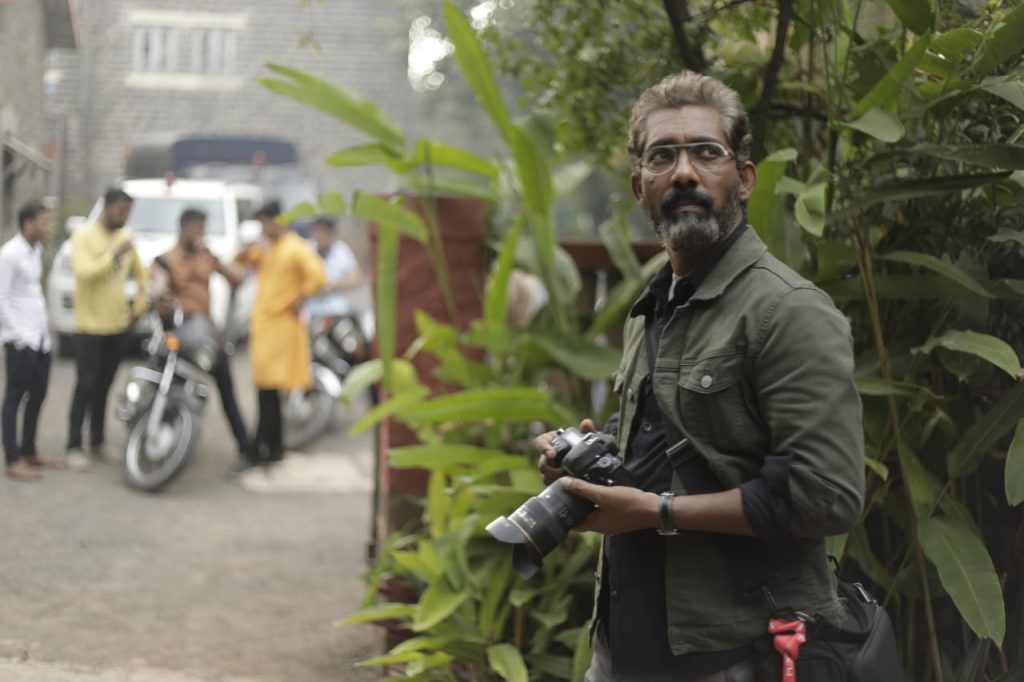
Set in Pune, which the film portrays with unforced authenticity, Frame follows two men on either side of that line. Chandu Pansare (Nagraj Manjule) is a veteran photojournalist for whom the shot is paramount. Siddharth Deshmukh (Amey Wagh) is the rookie under his wing, still human enough to flinch. From their earliest scenes together, Chandu mentors Siddharth in the only truth his years have taught him: this profession will test you in the most uncomfortable situations, it will make you want to do the right thing and be a kind human being, and that is exactly the moment to take out your camera and get the shot that puts your name on the front page. Do it long enough and it stops being a choice. It becomes second nature, performed unconsciously, without a second thought. As a reading of the human psyche, of how repetition quietly rewires a person, this is the most honest thing the film says.
One scene will stay with me a month from now, maybe longer. Chandu at the site of a tragedy, clearing stones and pebbles from around unconscious, still-breathing bodies. Not to help them. Not to call an ambulance. To clean up his frame. Patwardhan stages it without judgement or a background swell, which is exactly why it lands so hard. And the film is wise enough to circle back to that choice later, when regret finally catches up with Chandu.
Characters:
What separates Chandu from a monster is his backstory, and it never once feels like screenwriting shorthand. The fractures in his personal life, including a marriage that came apart, do complete justice to why Chandu is the way he is. You never excuse him. You simply understand him, which is harder to shake off.
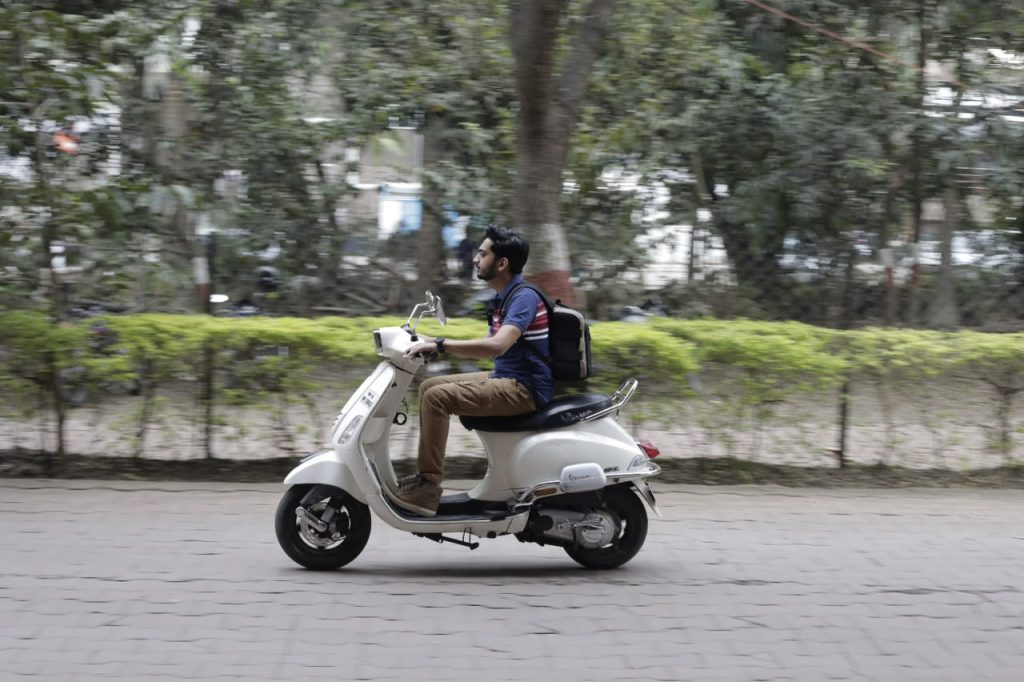
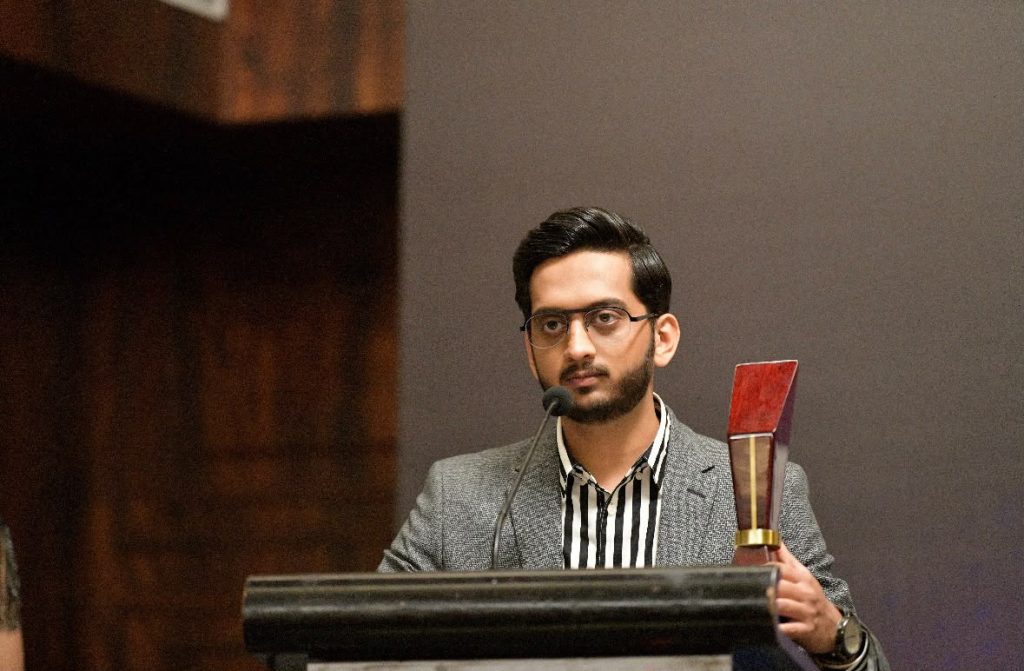
Siddharth, on the other hand, is written with such sympathy that his stretch of the film genuinely hurts. There are moments where what happens to him feels plainly unfair, none more than a termination letter arriving for one of the brightest photographers in the room. Wagh plays that idealism without ever letting it look naive.
The two performances hold the film up equally. Nagraj comes with the weight he carries in Marathi cinema, and Frame uses every bit of it. But this is not a one-man film. Wagh matches him scene for scene, and it is the two of them complementing each other that keeps the film so deeply rooted in its subject. Take either one out and the whole thing tilts.
Direction:
On craft, the editing is crisp and impactful. The background score is good and adds depth, though I kept feeling it could have pushed harder and lifted the writing and direction another level. A. V. Prafullachandra’s songs, too, promise more depth than they finally deliver. The pacing stretches in places, and I felt those stretches, but the experience earns them.
My one real disappointment is the ending, specifically the reveal of the award-winning photograph in the final scene. After everything the film builds towards, the image itself underwhelmed me. I will not describe it. Sit with that reveal yourself and see if it carries the weight the film believes it does.
Verdict:
Frame is about the life of an artist and the compromises that come with it, and it moved me more than I expected to admit. I walked out impressed, a little shaken, and unwilling to hand you its moral on a plate. That part is yours to decide. Go watch it, and pick your side of the grey line.
Updated 2 Oct 2026, 04:22 GMT+0000
Comments आपकी राय