
Kiran Rao on Creative Freedom: Follow Instinct, Not Expectations
The Laapataa Ladies director on why curiosity beats expectations, why space shapes story, and how streaming has changed Bollywood's first-weekend pressure.
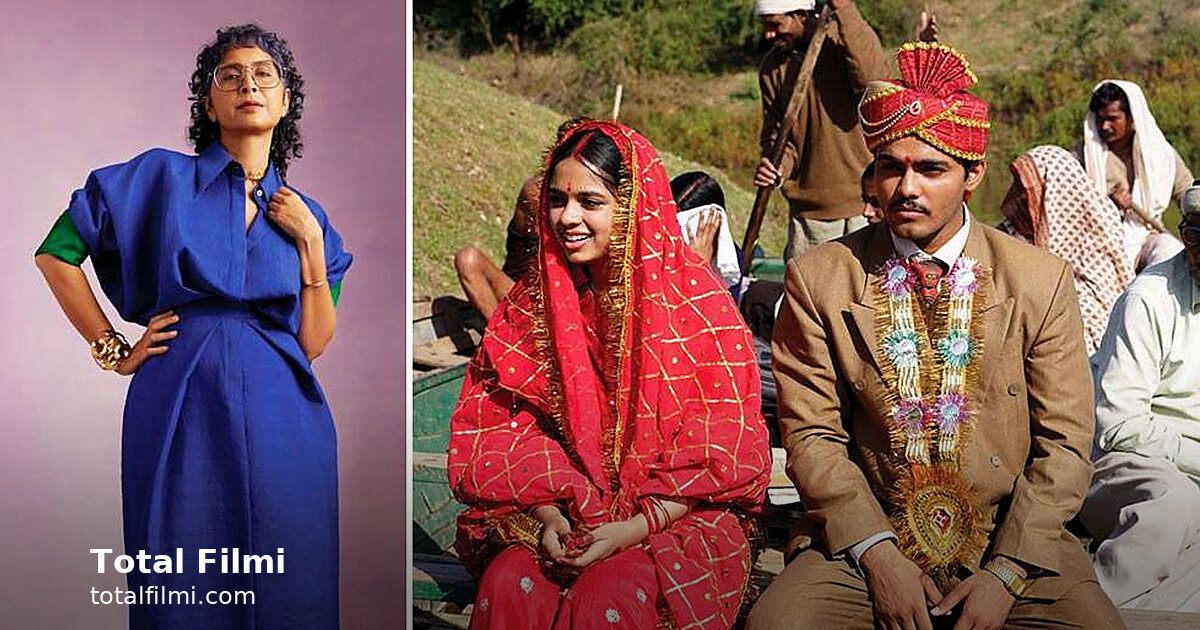
Kiran Rao has built a career on looking where mainstream Bollywood often does not—from the restless Mumbai of Dhobi Ghat to the small-town upheaval of Laapataa Ladies. In a new Filmfare interview, she lays out a simple creative rule: stop worrying about what a filmmaker is “supposed” to make.
Curiosity over expectation
Rao argues that the pressure to constantly deliver important cinema is creatively limiting. The moment a director starts defining themselves by audience or industry expectations, the work narrows. Her better films, she says, have come from curiosity rather than a need to prove something.
That does not mean a film has to be serious to matter. It can be entertaining, strange, horrific or purely emotional and still carry meaning. “I would much rather follow an instinct than an expectation,” she says.
Every space has a voice
For Rao, a city, a village, a house or a railway station is never just a backdrop. These places have rhythms, textures and histories that shape the people who live in them. Reading a location that closely, she says, makes a film’s world feel lived-in rather than constructed.
What she backs in new filmmakers
As a producer, Rao looks for original voices. When a project shows curiosity, risk-taking and a real engagement with the world, it stands out.
- An original voice is visible quickly, she says.
- Risk matters more than a proven template.
- Stories should engage with real life, not just entertain.
Dhobi Ghat remains her biggest creative risk
Rao points to Dhobi Ghat as the film that could have gone either way. Structurally and tonally unconventional, it did not fit an obvious category, and she had no idea how audiences would respond. That uncertainty, she says, is what made it exciting.
Conducting an ensemble
Directing a large cast is like conducting an orchestra, Rao says. The hard part is choreographing timing and pitch across performances. With main leads, the work is more intimate—building trust and shaping a character together.
Learning scale, learning spontaneity
Her assistant director years were an education. On Lagaan, she absorbed scale, discipline and the commitment needed for a large vision. On Monsoon Wedding, she experienced a more intimate, spontaneous energy. The lasting lesson: a director is always responding to actors, locations, circumstances and people around her.
Streaming’s double edge
Streaming has opened space for new voices and diverse stories. But Rao sees a squeeze: with so much content competing for attention and cinema infrastructure not growing, too much pressure falls on first-weekend numbers. Films need large marketing budgets to compete and often do not get time to grow by word of mouth.
Manufactured buzz, she says, does not work all the time—though plenty of films use it successfully. Her bet is on the audience: people who genuinely love a film become its best ambassadors, and viewers are smart enough to see through gimmicks.
Source: Filmfare

Comments आपकी राय