
Susmita Mukherjee: Ravana Is a Mirror, Not a Villain to Judge
The Nayyi Navelli actor says Ravana's ten heads reflect the flaws inside every one of us—and explains why the epics still feel personal.
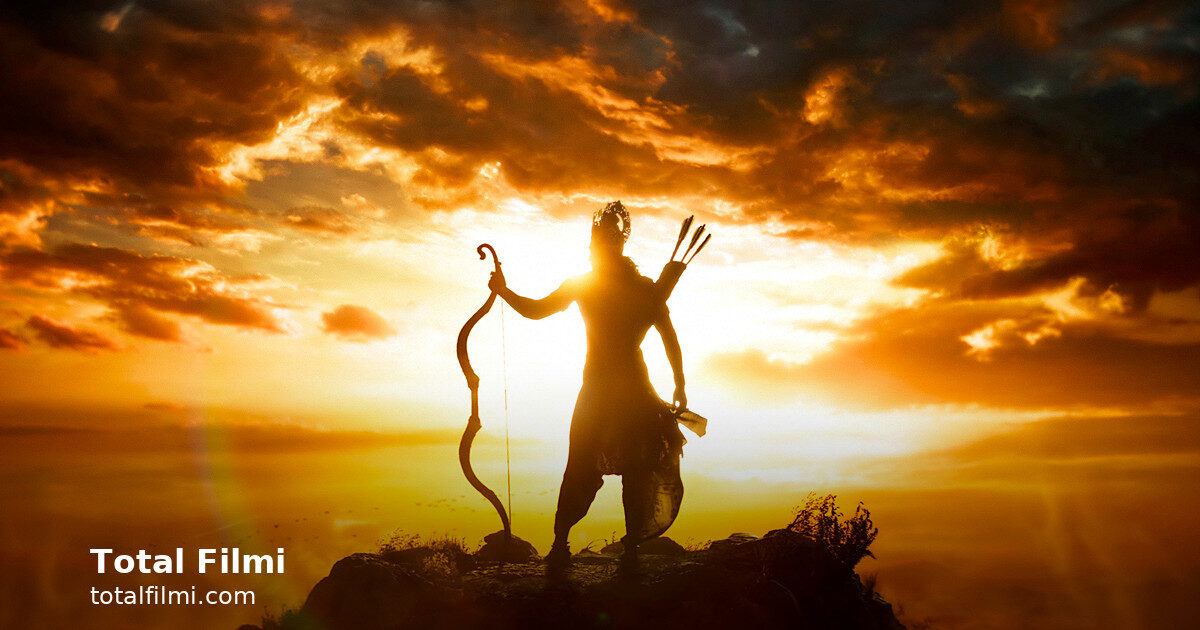
Susmita Mukherjee has a gentle but firm reminder for anyone reading the Ramayana as a simple story of good versus evil: Ravana is not there to be glamorised, and he is not there to be judged. He is there to hold up a mirror.
The veteran actor, who plays the Awasthi household’s Dadi in Yami Gautam’s Nayyi Navelli, spoke to NDTV about the layers beneath the ten-headed king. Her timing is sharp: Nitesh Tiwari’s Ramayana, starring Ranbir Kapoor, Sai Pallavi and Yash, released on November 5, crossed Rs 100 crore in India within two days, and then crossed Rs 200 crore worldwide. The epic is back at the centre of the cultural conversation.
The Ramayana debate has been heating up because the same epic can be read many ways: as a tale of dharma, a family drama, or a political metaphor. Mukherjee refuses to flatten it.
Ravana as a mirror, not a monster
For Mukherjee, Ravana represents the dasa doshas—the ten negative qualities that, she says, live inside every person. “He’s only there as a mirror to show us evil,” she told NDTV. “We are not there to judge.”
That distinction matters. A retelling can make Ravana magnetic without making him a hero; the point, in her reading, is recognition, not worship.
- Ravana’s ten heads stand for ten inner flaws, not just a costume.
- He functions as a mirror so audiences can spot those flaws in themselves.
- Judgment is not the goal; recognition—and the letting-go Diwali marks—is.
Why epics still feel personal
Mukherjee also pointed to the staying power of the Ramayana and the Mahabharata. They are not just plot engines; they carry values, questions and warnings from one generation to the next. In an AI age, she argues, the deeper need is for core consciousness and values—things the epics keep alive.
That is useful framing as mythological adaptations multiply. Nayyi Navelli itself begins as a domestic comedy before shifting into a story built around the Kaal Sheel stone and Treta Yuga lore. The conversation around these retellings can become noisy; Mukherjee’s lens offers a way to watch with curiosity rather than judgment.
The box office and the larger conversation
Mythological cinema is having a moment, and the numbers back it up. Ramayana‘s Rs 200 crore worldwide total came quickly, showing that audiences are turning up for large-canvas storytelling as much as star power. But a blockbuster that brushes past Ravana’s complexity would miss half the story. Mukherjee’s comments sit precisely in that gap—between celebration and understanding.
The takeaway for filmi fans
If you are catching Ramayana in cinemas or revisiting an older retelling, try reading Ravana as a shadow figure. The character becomes richer when you ask: which of those ten flaws am I wrestling with today?
Source: The Times of India

Comments आपकी राय